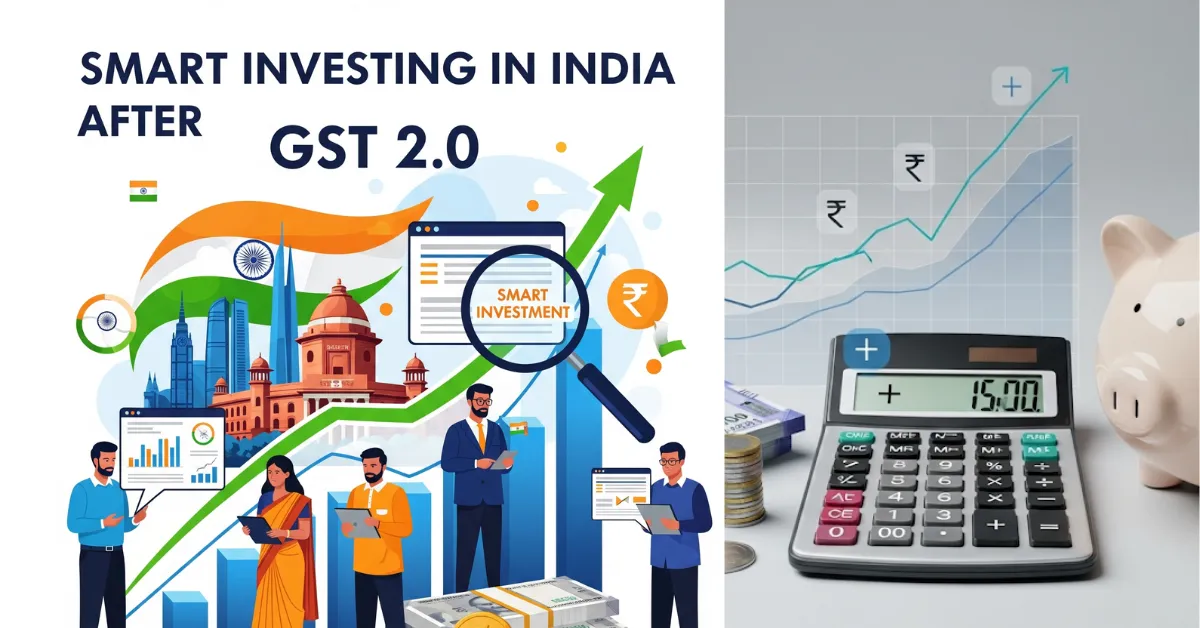
Mumbai: When GST 2.0 rolled in, the market didn’t just cheer it shifted gears. Price cuts on everyday essentials, consumer durables, and automobiles put more money in people’s pockets. Add income tax relief and lower interest rates, and India’s consumption engine looks set for a strong run. The big question for you as an investor, how do you invest smart in this new phase?
Why GST 2.0 Matters for Your Portfolio
A cut in GST slabs directly changes spending habits. Cheaper FMCG goods, more affordable two-wheelers, and reduced rates on healthcare services create a ripple effect across the economy. CRISIL projects a 6–7% revenue growth for India Inc. this year, partly on the back of these reforms. For long-term investors, this growth isn’t just a headline it’s a signal to rethink portfolio strategy.
Finance expert Mohit of Mfront puts it bluntly: “Consumption is no longer a fad. In a country like India, demographics make this a structural theme. GST 2.0 is just the push that was missing.”
Read More: EPFO 3.0 Features and Launch: What You Need to Know in 2025
Consumption as an Investment Theme
Consumption funds have gained attention after GST 2.0. These funds don’t just load up on FMCG giants like Hindustan Unilever or ITC. They spread across:
- Consumer staples (FMCG, household goods)
- Consumer discretionary (fashion, electronics, dining)
- Healthcare and diagnostics
- Telecom and internet services
- Automobiles and components
By tapping into multiple drivers of consumption, these funds mirror India’s spending behavior.
Active vs Passive: Which Way to Go?
If you’re weighing between active and passive funds, remember this:
- Passive indices often stick to 10–15 heavyweight names, rebalancing only twice a year.
- Active funds bring in smaller, mid-cap stories like auto ancillaries or retail chains that can capture hidden growth.
Mohit Gang advises leaning on active management here, since the breadth of consumption goes beyond what indices can capture.
Try This: NPS Vatsalya Calculator
How Much to Allocate
A tactical bet makes sense, but don’t stretch it. Experts suggest keeping 10–15% of your portfolio in thematic or sectoral funds. That way, you enjoy the upside without risking long-term stability.
For your strategic core portfolio retirement and family goals stay diversified with flexi-cap or index funds. Use consumption as a booster, not the backbone.
Read More: GST Reforms: A Financial Game-Changer for India
Top Fund Choices Post GST 2.0
Based on market performance and diversification, here are some well-regarded picks:
- Axis Consumption Fund – broad coverage across FMCG, retail, telecom, autos
- Nippon India Consumption Fund – steady performer with strong consumer staples
- Mirae Asset Consumption Fund – newer, but gaining traction in discretionary and healthcare bets
- Motilal Oswal Mid & Smallcap Consumption Index Fund – aggressive, but interesting if you can handle volatility
Remember, fund vintages are still young (2-4 years). Judge them more on holdings and management approach than decade-long history.
Sector Spotlight: Autos, FMCG, Tourism
- Autos: Lower GST on bikes under 350cc and compact cars fuels demand. Ancillary makers like Uno Minda or Sona BLW gain indirectly. But auto is cyclical, so treat it as tactical, not structural.
- FMCG: Rarely flashy, almost never negative in annual returns. Ideal if you want stability, dividends, and steady compounding.
- Tourism & Hospitality: Attractive during festive and travel booms, but valuations are stretched. Better to ride them via broader consumption funds than niche tourism funds.
Anecdote: A Small Investor’s Dilemma
Take Ramesh, a Pune-based IT professional. After GST 2.0, he noticed lower EMIs on his scooter loan and cheaper groceries. With extra savings each month, he wondered whether to pour money into equities. Instead of buying random consumer stocks, he allocated 12% of his SIPs into an active consumption fund. That way, he participates in the broader consumption theme without betting on a single company.
His story mirrors what millions of Indians may experience small savings that translate into bigger market opportunities.
Expert Insight: Stay Disciplined
Economist Pandey from NIPFP explains: “Tax reforms like GST 2.0 boost consumption, but investors should remember the cycle. Themes attract attention when markets run hot, but staying disciplined on allocation keeps risk in check.”
Final Word
GST 2.0 has tilted the scales toward higher household consumption. For you, this means opportunities in consumption funds, autos, and FMCG. But don’t let excitement override prudence. Treat consumption as a satellite play, cap exposure at 10–15%, and keep your core diversified. That’s how you invest smart after GST 2.0 by riding the growth wave without losing balance.