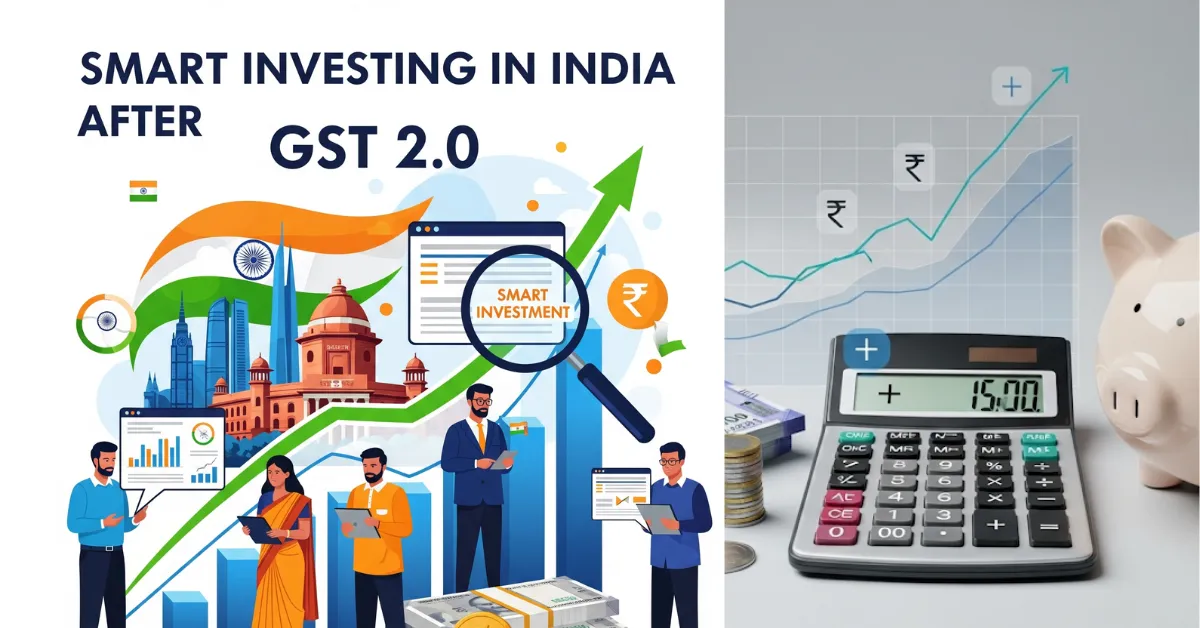
GST Reforms: Imagine this, a massive overhaul of the very framework that taxes almost everything you buy. This is no ordinary tweak. India’s goods and services tax (GST) system is preparing for a complete transformation. It’s moving away from its complicated four-slab structure, which had rates of 5%, 12%, 18%, and 28%. A simpler, more streamlined system is coming, with just two main tax brackets: 5% and 18%. A special 40% slab will exist for a few select “sin” or ultra-luxury goods.
The goal is simple: light a fire under the Indian economy.
Sparking the Consumption Engine
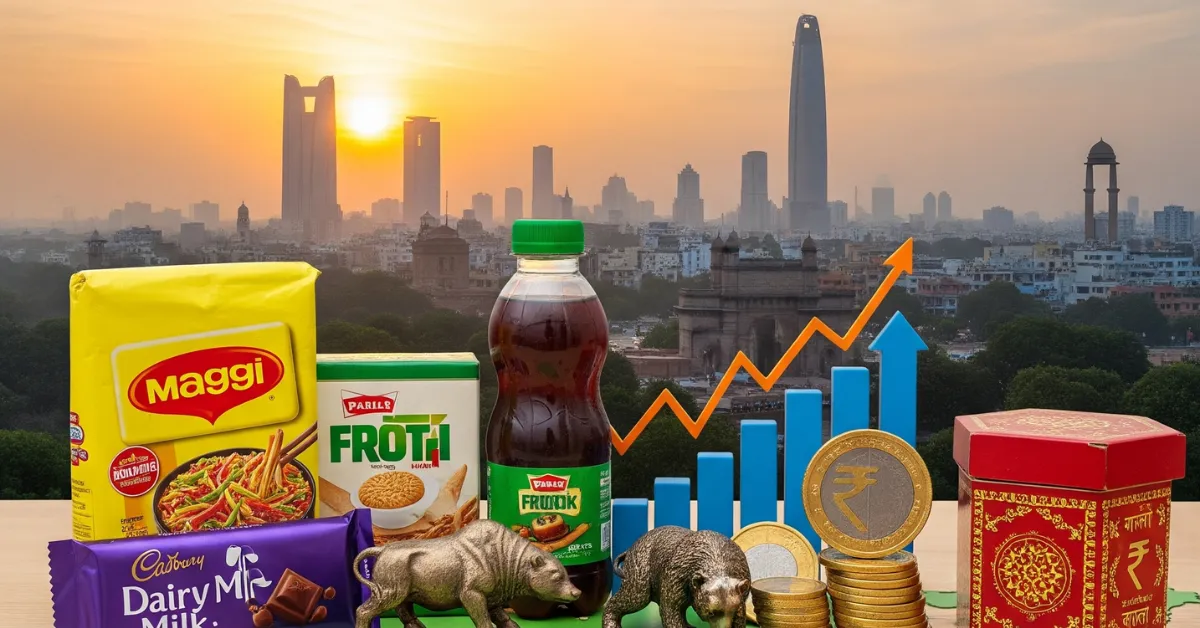
Think about a common purchase, like a pack of biscuits. Right now, it might attract an 18% GST. With the new reforms, that same pack could see its tax rate drop to just 5%. What happens then? You and I might feel encouraged to buy an extra pack. Now, scale that one extra pack across millions of households. That’s a huge boost in consumption.
This isn’t just wishful thinking. According to a senior economist at a leading Mumbai-based research firm, a reduction in tax burden on everyday items directly puts more money into the hands of consumers. “It’s a powerful lever,” she explains. “When people have more disposable income, they spend more. That’s the first domino to fall in a chain reaction of economic growth.”
GST Reforms From Your Shopping Cart to the Factory Floor
This renewed consumer confidence creates a ripple effect. When demand for goods goes up, manufacturers have to produce more. This means factories will need to ramp up their operations, which in turn leads to more jobs, more salaries, and more money circulating in the economy. It’s a beautifully simple, self-perpetuating cycle. The manufacturing sector, which has been in a sluggish phase, will get a much-needed shot in the arm.
Read More: EPFO 3.0 Features and Launch: What You Need to Know in 2025
Let’s say you’ve been delaying a big purchase like a new television or a small car. Currently, these aspirational goods fall into a higher tax bracket. Under the new GST regime, their prices will drop significantly. The savings could be enough to make you pull the trigger on that purchase you’ve been putting off. Major industries like automobiles and consumer durables will get a boost, and the logistics sector, which moves these goods around, will also see increased activity.
Try This: NPS Vatsalya Calculator
Your Personal Finance Picture
So, what does this all mean for your wallet? In a nutshell, a whole lot. Your grocery bill might shrink a little. That new appliance you’ve been eying might suddenly become more affordable. This shift in tax policy is a direct play to get you to spend, and for many people, it will make a real difference in their household budgets. It’s a shift from a tax structure that felt like a burden to one that feels more like a helping hand.
The GST Reforms changes are scheduled to kick in on September 22nd. Only time will tell if people’s purchasing decisions truly change after the rate cuts. We must watch to see if these theoretical gains translate into real-world economic vibrancy. But the intent is clear: to inject liquidity, encourage spending, and get the economic wheels spinning faster. For anyone interested in their personal financial health and the broader Indian economy, these GST reforms are something you will want to track closely.
Read More: Health Insurance Restoration Benefits: How They Work & Why They Matter in India